Functions, types, elements, and ecosystems of a smart house
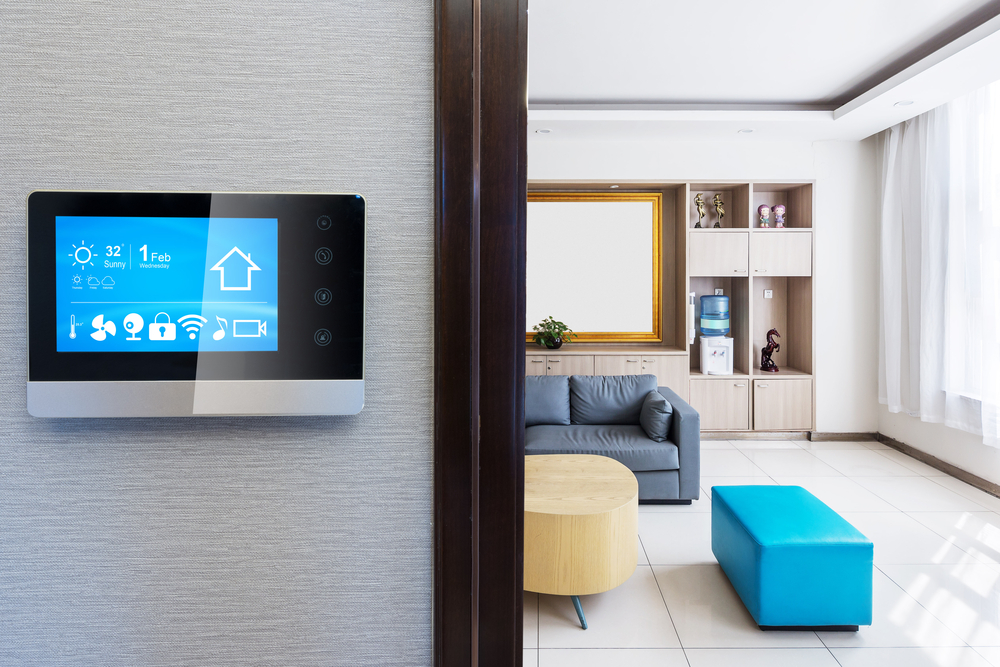
Thanks to marketers, the label “smart” has become firmly entrenched in our culture and is applied to any gadgets that can be operated remotely over a network connection. However, if the mobile device is nearby, turning on a light bulb with the aid of a smartphone only results in a very small increase in comfort. The true value and ease won’t be experienced at all if we have multiple smart gadgets that need different programs to control. However, if several gadgets can be controlled from a single program and the light goes on automatically when people enter a room and there is a lack of natural light, then the house will actually grow smarter. A simple ecosystem that connects several devices into a single entity and streamlines management and control procedures is all that is required for such home automation.
What is a Smart House?
Smart house is defined as a collection of tools that allow routine tasks to be automated, relieving the owner of tedious tasks. Additionally, it is better to have a single system to manage them rather than a collection of devices that can be “commanded” remotely. It offers the user a number of distinct benefits, including convenience, ease of use, and time and effort savings.
Without direct human interaction, such an ecosystem (a group of devices and a control system) must carry out certain actions and tasks in response to particular circumstances. For instance, if a youngster went to the restroom at night after leaving his room, the smart home’s lights would automatically switch on in the hallway and then in the bathroom. The system will notify the User of any bathroom water leaks and, ideally, turn off the water supply on its own if one is found.
Microclimate control (heating and cooling) and intrusion alerts are two other typical apartment automation features (up to sending an alarm to the control panel of security organizations).
The primary purposes of a smart house are:
expanding comfort. A person can spend less time and effort on different repetitive tasks thanks to home automation. Without the user having to do anything, it will make the apartment bright in the evening, comfortable in the summer and winter, and it will play your favorite music at the appropriate moment.
Making sure of safety. You can defend yourself from flooding, gas leaks, fires, hooligans, and thieves, or you can reduce the damage they cause.
Saving money and energy. A well-planned system helps to lower actual bills for electricity, gas, and other resources because their primary consumers won’t be idle, which lowers actual costs associated with emergencies and other cases of force majeure (paying for repairs to flooded neighbors, buying new equipment to replace stolen ones, etc.).
Items found in smart homes
Three different types of gadgets are often included in the ecosystem of a smart home:
- A hub (also known as a controller, central, bridge, gateway, etc.) is a device that unifies all of a smart home’s components into a single unit and allows for remote operation of the system, even from anywhere in the world over the Internet;
- Sensors. These elements offer information about the environment to the ecosystem, such as air temperature, the presence of smoke or traffic, light levels, and the airtightness of windows and doors; executive devices (actuators). The largest collection of gadgets, which carries out different orders and manages particular home appliances Smart sockets, switches, dimmers, pipe valves, various relays, climate controllers, and other devices are examples of actuators;
- Feedback devices (universal buttons, remote controllers, touch panels, etc.) are additional components, while some ecosystems can function without them entirely due to the availability of voice control.
The actual household appliances do not have to be intelligent in order for the ecosystem to regulate them. Assume, for instance, that a unique climate controller “knows how” to communicate commands from the hub to an older model of air conditioner (those that do not support Wi-Fi, but are controlled by traditional remote controls). Similar to how a smart outlet enables flexible control of a traditional boiler’s operation and lower energy use due to the on/off schedule. It’s only that, initially, some smart home gadgets can eliminate the need for extra “pads” and make life simpler in terms of configuration, management, and control.